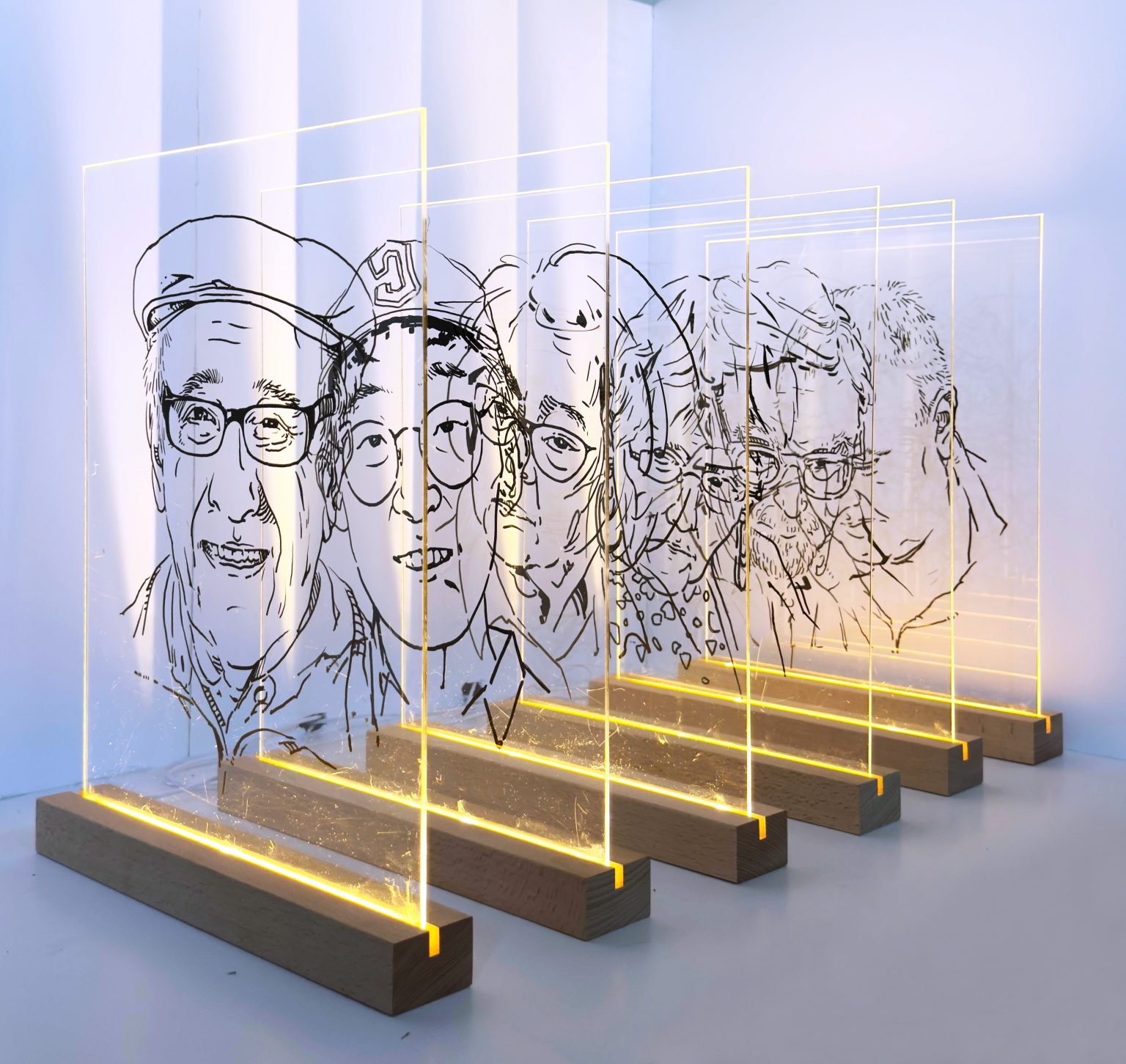
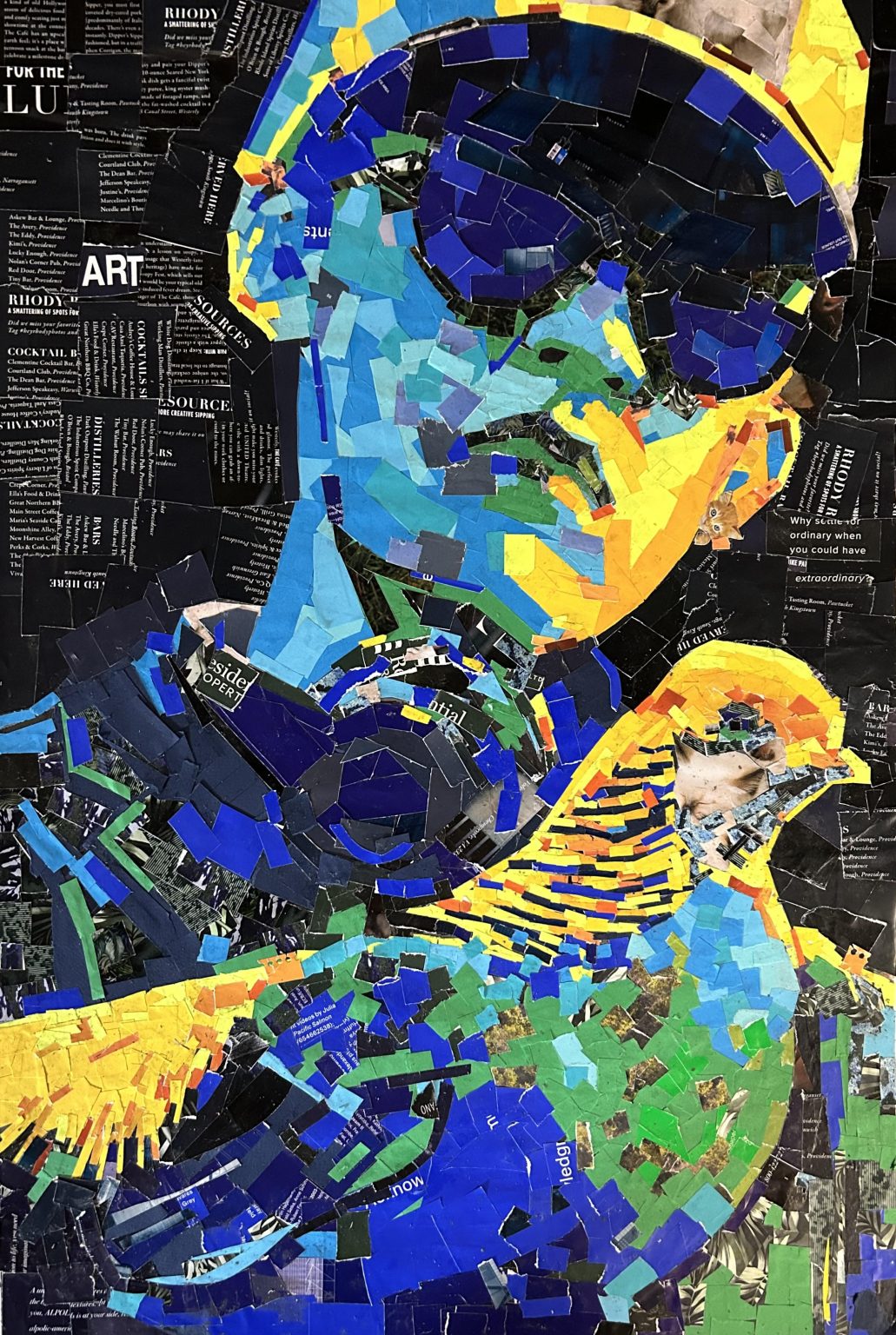
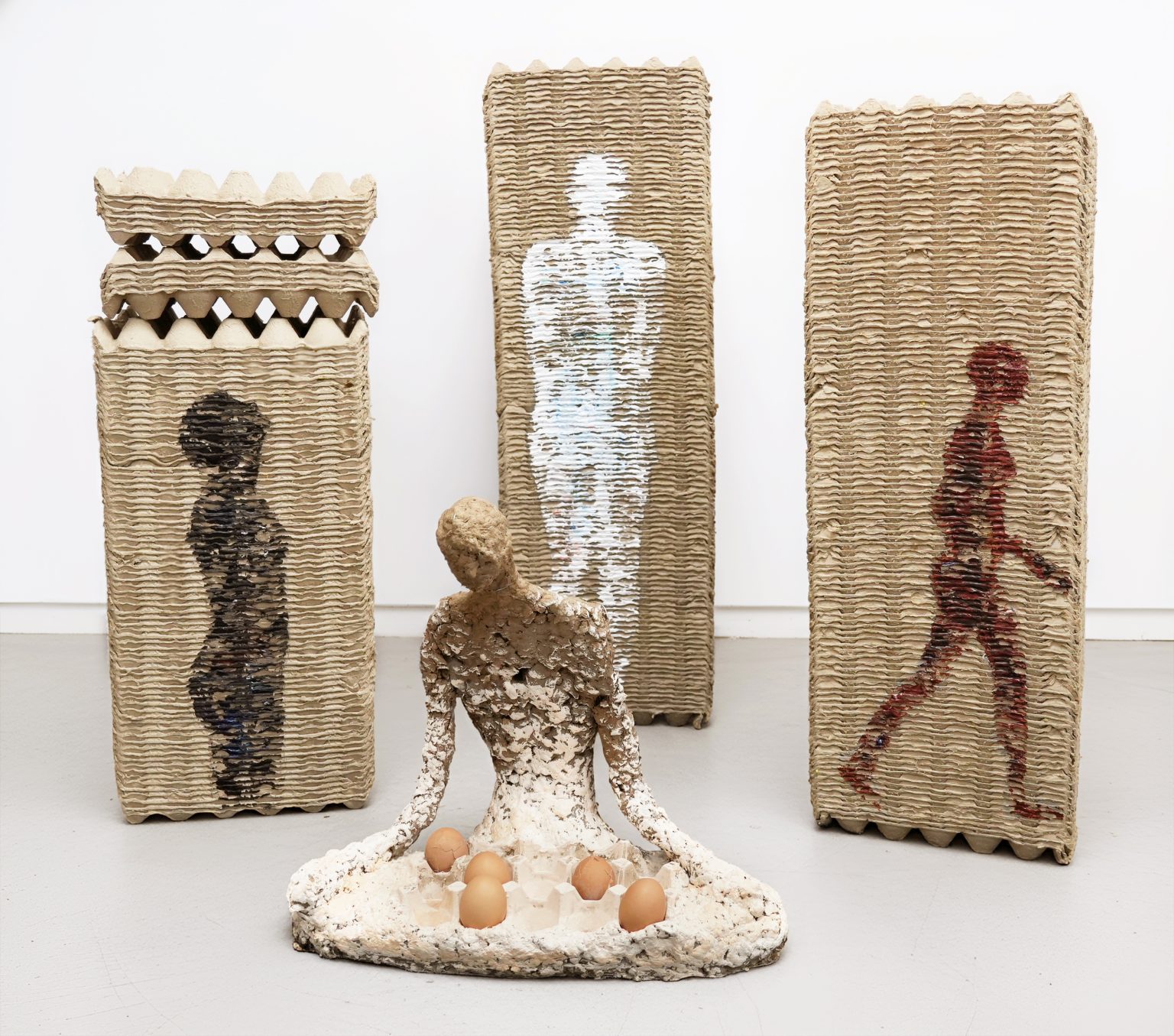
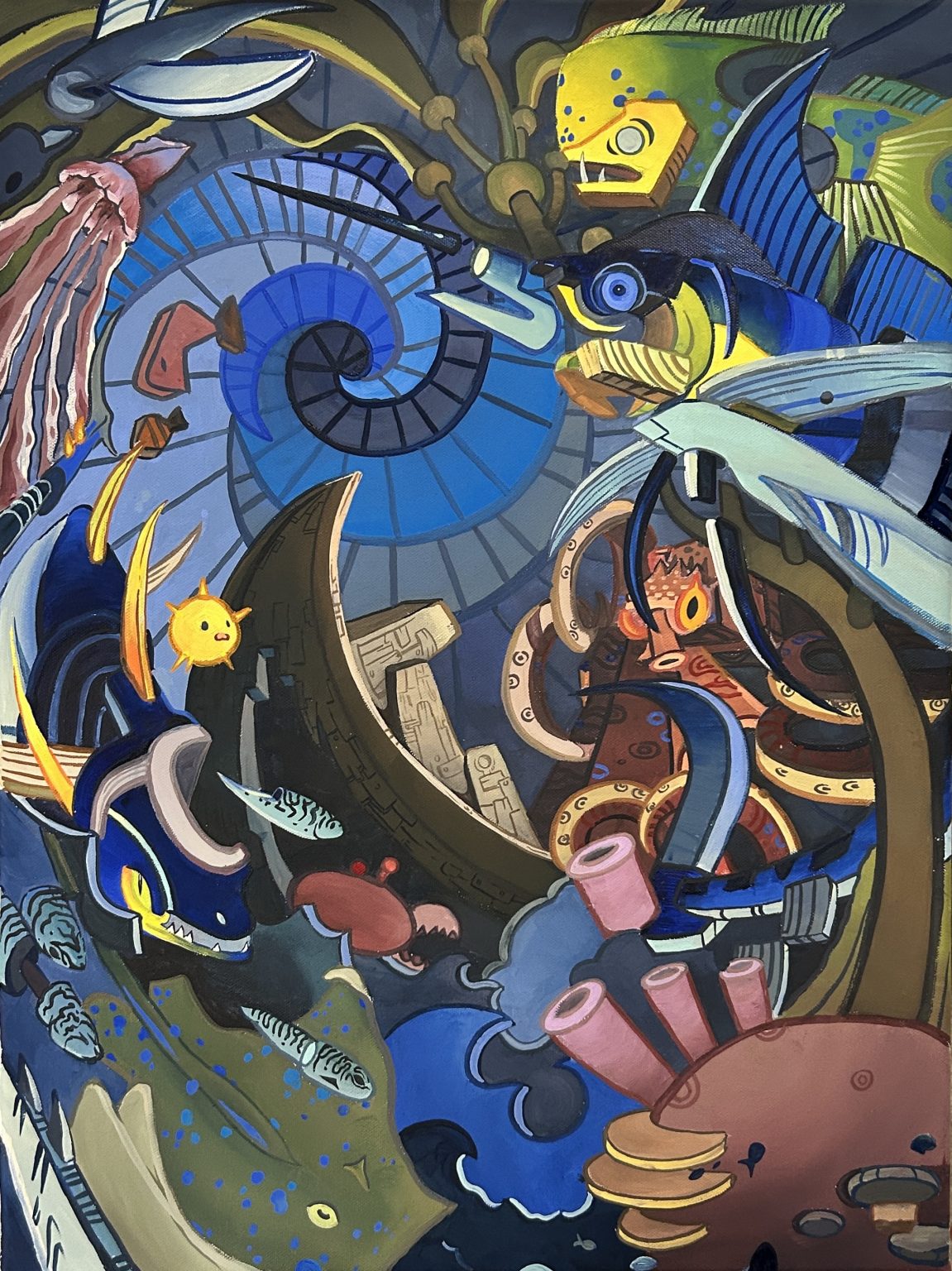
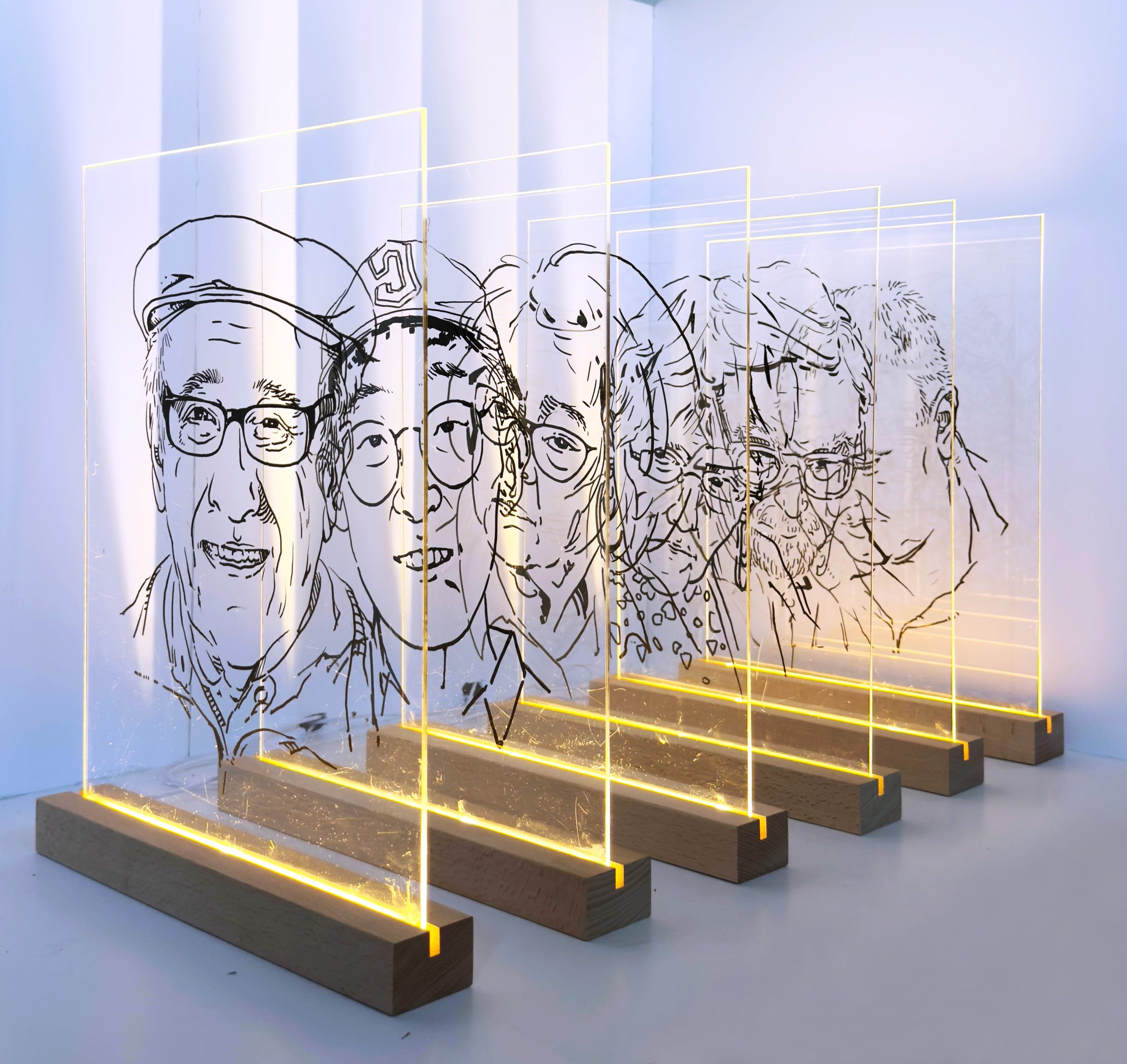
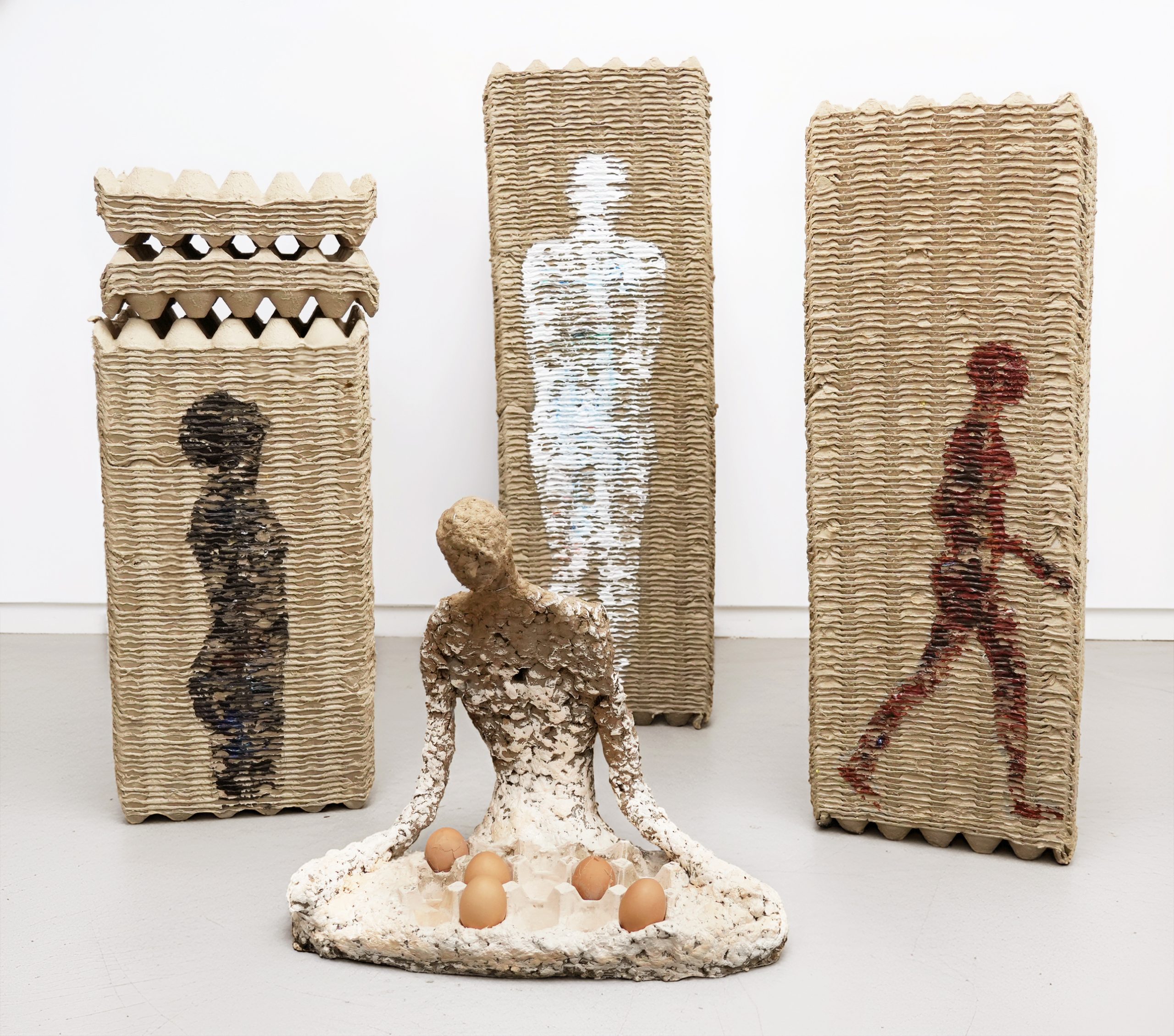
At the age of five, I would spend entire afternoons squatting before fish tanks in Hainan’s (Southern China) open seafood markets, closely observing the animals from every angle possible. When I got home, I would pull out my desk and, from memory, draw out the day’s observations on stacks of paper, filling five boxes with drawings in less than a month. Observing like this, for me, is addictive. Even as a child, I noticed that the more details I could retain in my memory, the more alive and powerful my art felt, long before I knew what “observational research” was.
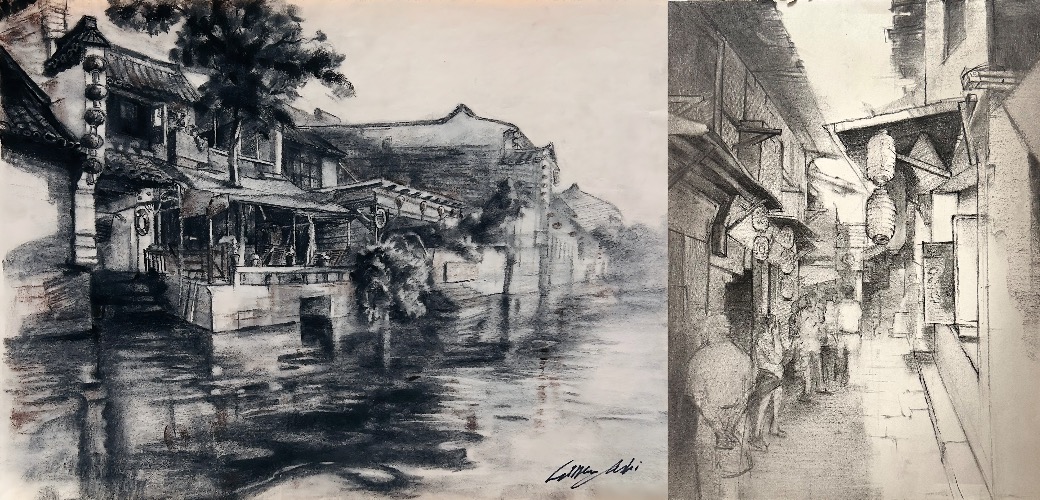
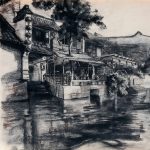
Hangzhou
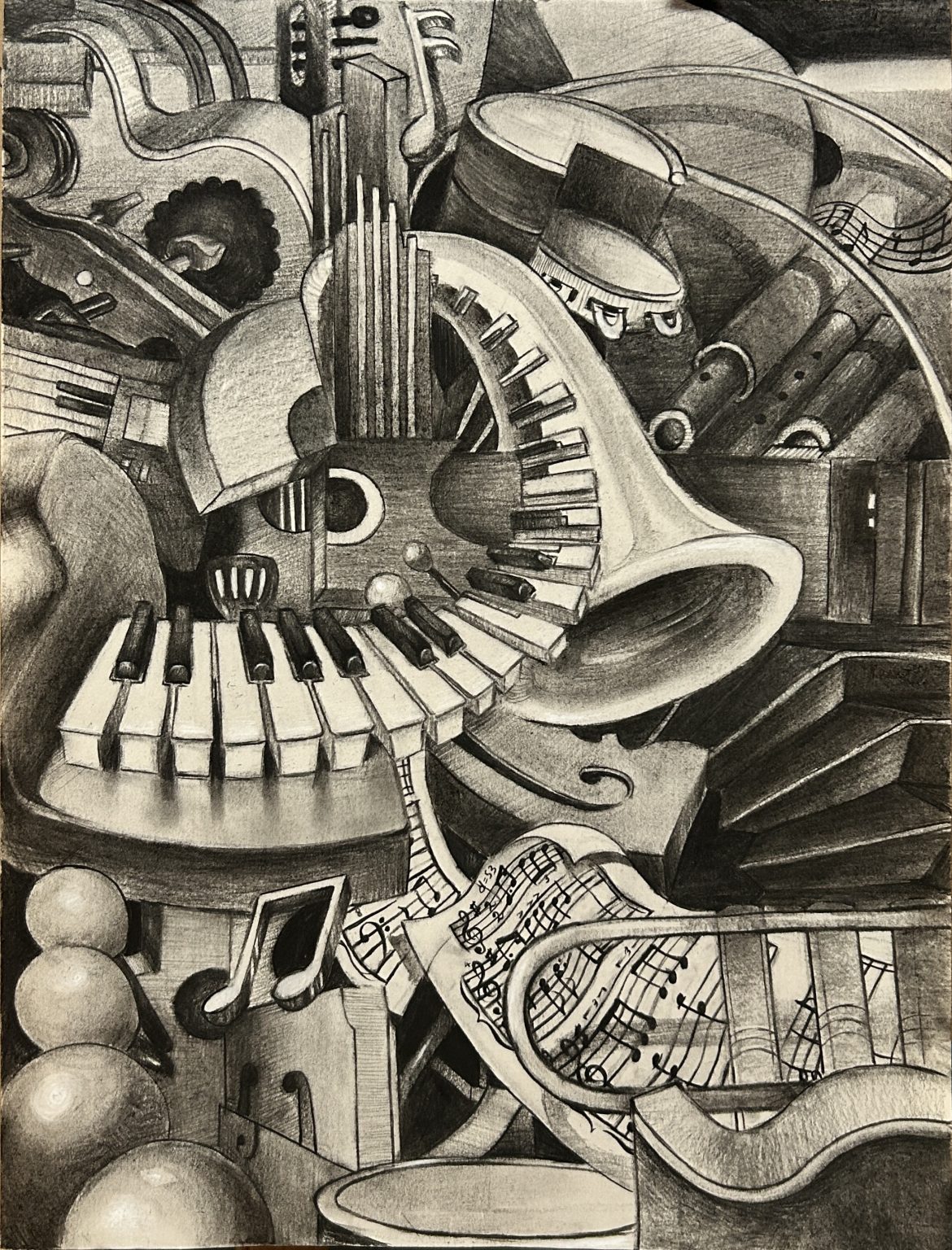
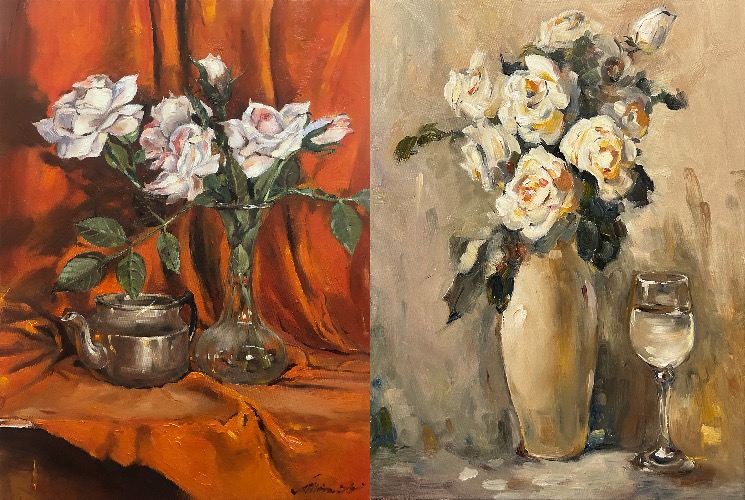
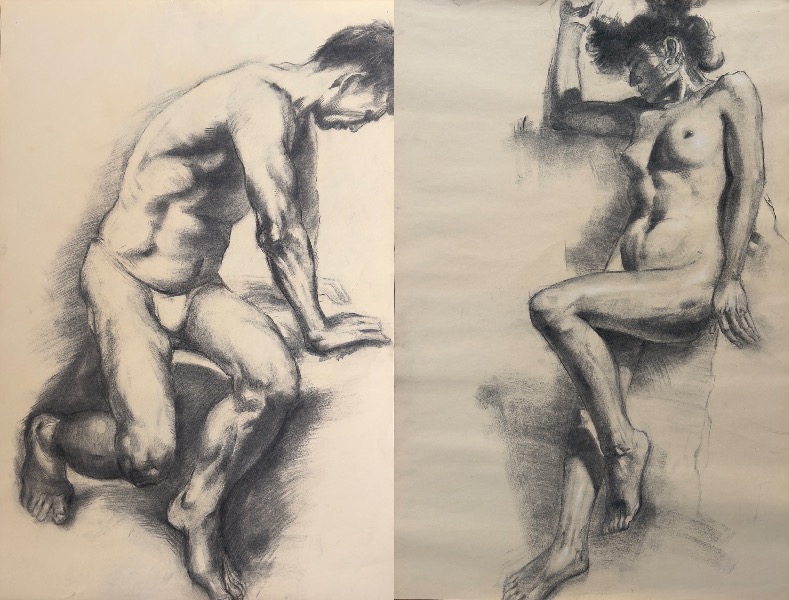
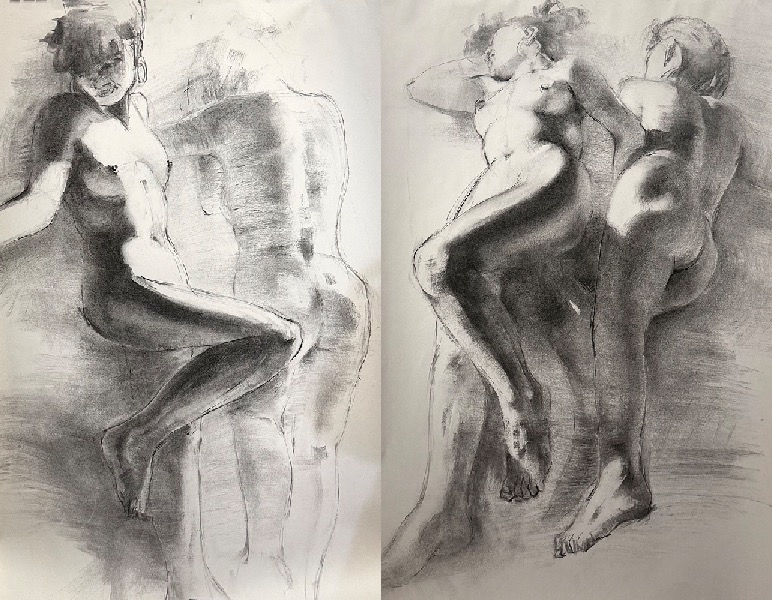
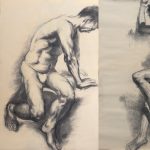
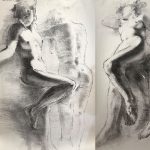
That habit of close observation became the foundation of how I create. It’s taught me to stay present, judge less, and be patient. As I grew, I explored more mediums to support my observation, such as traditional brush painting at the age of 7, and later, charcoal and oil painting, to understand core concepts such as shading and color theory. I was always chasing new ways to express what I saw and felt, experimenting with different techniques that could evoke subtle sense of stillness.
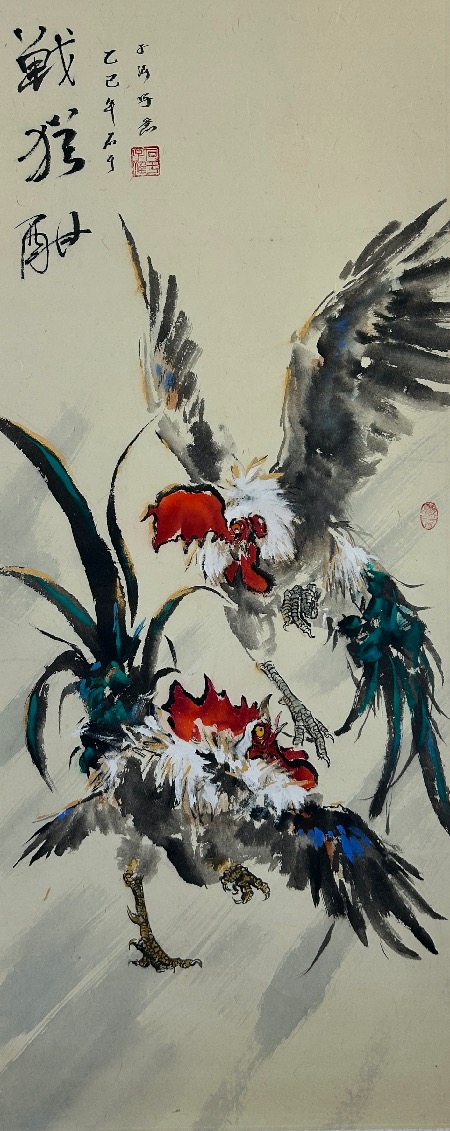
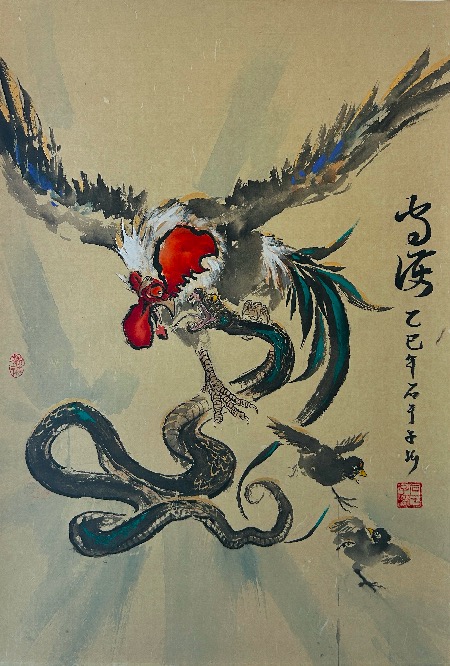
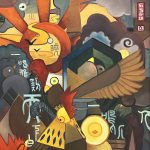
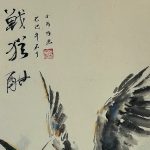
Immersed in Battle
In 2020, my family settled in the U.S. It was a time of struggle for me, not only because of the new environment and language, but also because of the emotional turmoil of adolescence and being stuck at home during the pandemic. During this time, I lost track of my passion and gave up on creating art, until… I adopted two baby chicks. Little did I expect this ac ... view more »
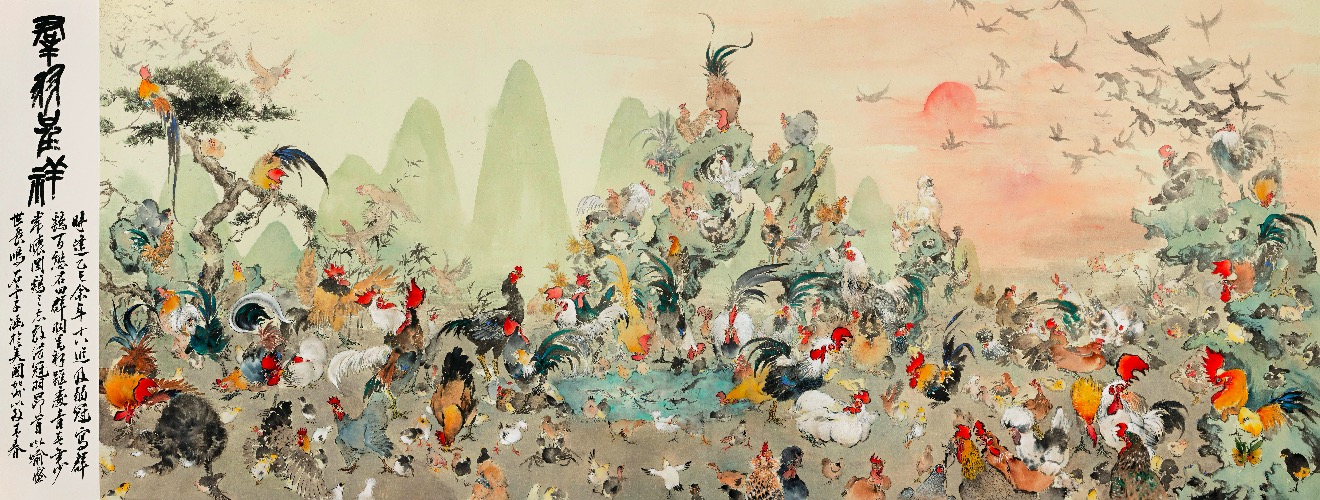
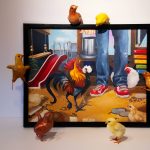
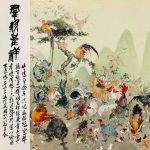
Picture of One Thousand Chickens
At the age of five, I would spend entire afternoons squatting before fish tanks in Hainan’s (Southern China) open seafood markets, closely observing the animals from every angle possible. When I got home, I would pull out my desk and, from memory, draw out the day’s observations on stacks of paper, filling five boxes with drawings in less than a month. Observing like this, for me, is addictive. Even as a child, I noticed that the more details I could retain in my memory, the more alive and powerful my art felt, long before I knew what “observational research” was.
Hangzhou
That habit of close observation became the foundation of how I create. It’s taught me to stay present, judge less, and be patient. As I grew, I explored more mediums to support my observation, such as traditional brush painting at the age of 7, and later, charcoal and oil painting, to understand core concepts such as shading and color theory. I was always chasing new ways to express what I saw and felt, experimenting with different techniques that could evoke subtle sense of stillness.
Immersed in Battle
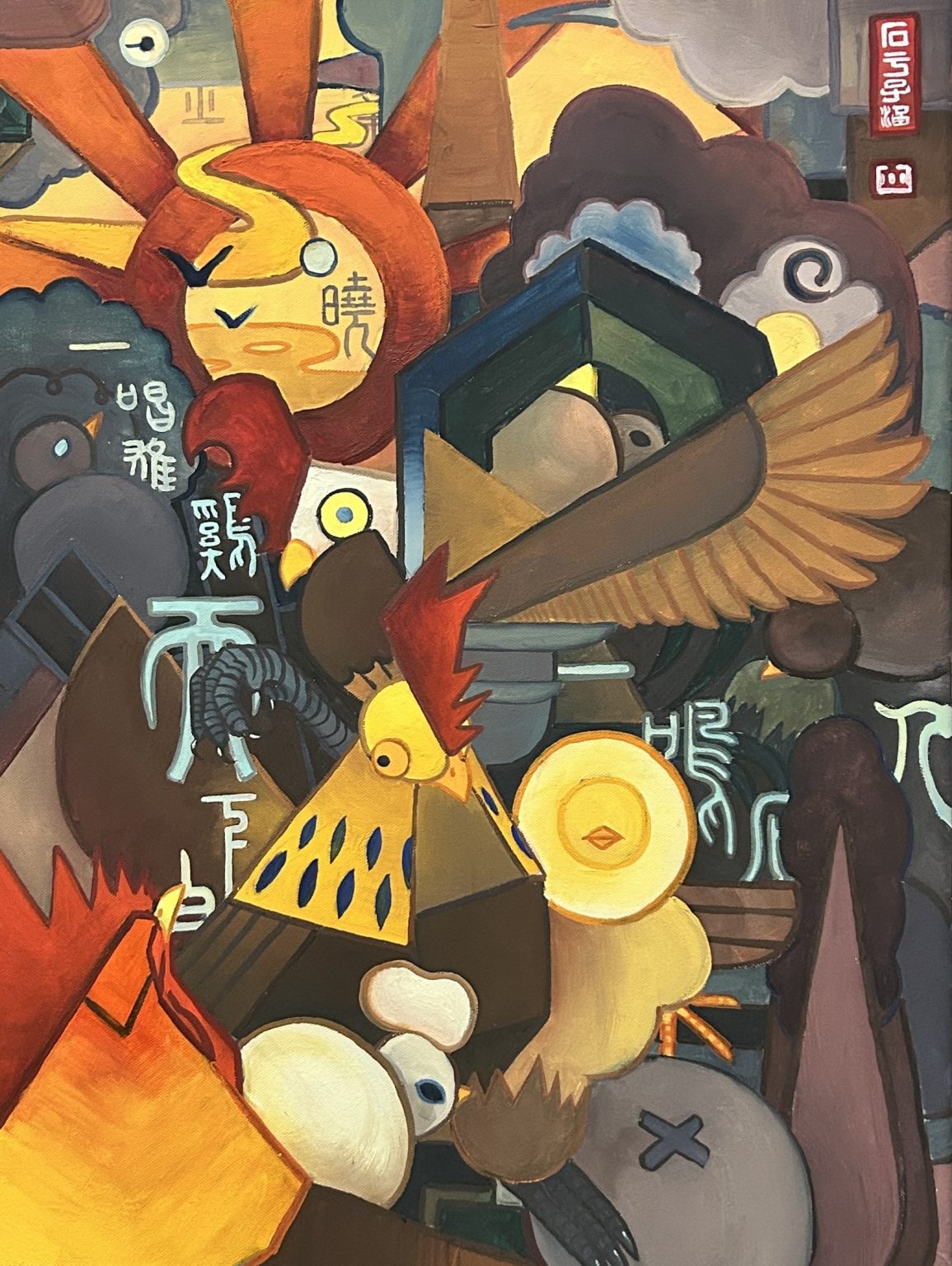
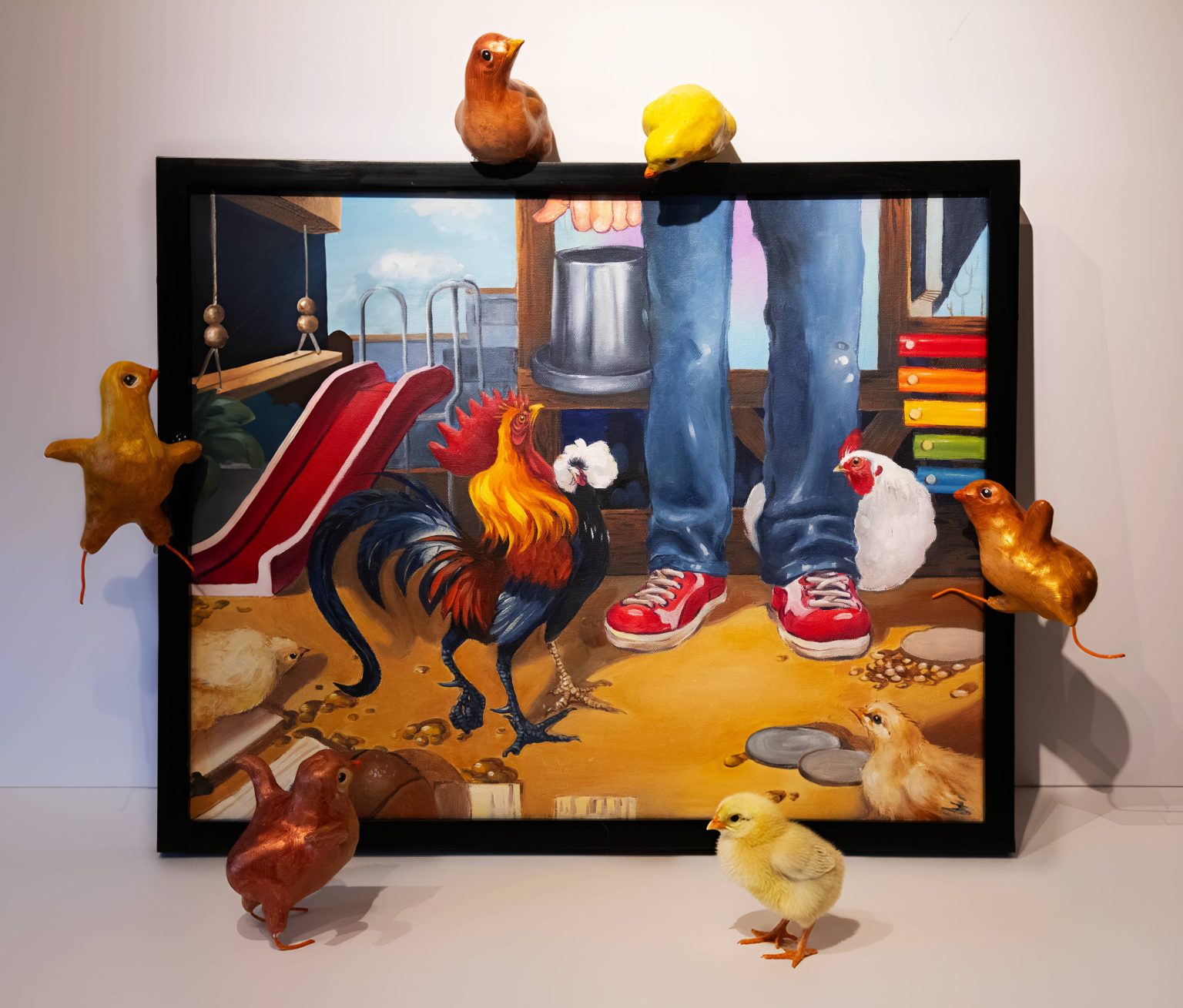
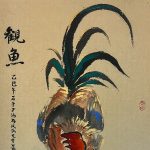
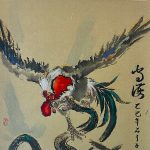
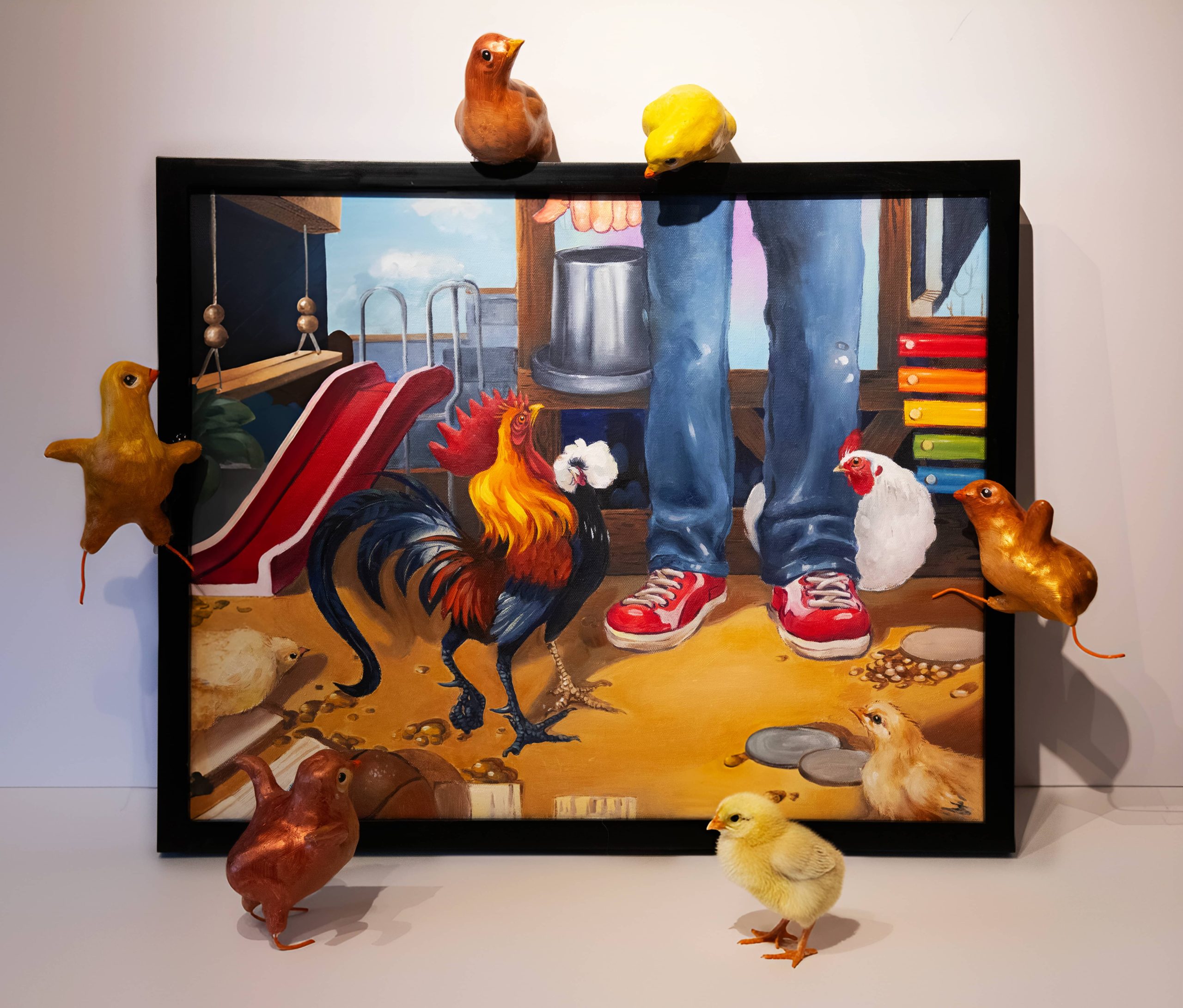
In 2020, my family settled in the U.S. It was a time of struggle for me, not only because of the new environment and language, but also because of the emotional turmoil of adolescence and being stuck at home during the pandemic. During this time, I lost track of my passion and gave up on creating art, until… I adopted two baby chicks. Little did I expect this act would spark such a profound transformation in my life. The chicks’ caring needs gave me a newfound purpose and revived my passion for life, and my intuitive impulse to observe them led me to set up a painting table in my backyard. Every day, I watched how the chickens and I painted them on site. This practice lasted for years, which is why “chickens” is a salient theme in my nowadays artworks.
Now, at the age of 18, I have created more than 1,000 chicken artworks, including ones painted from direct observation and creative ones that express my connection to them.
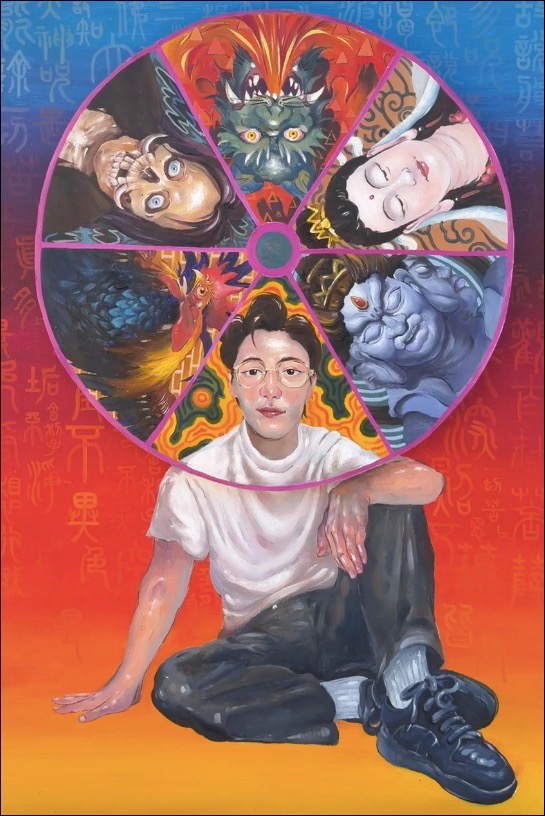
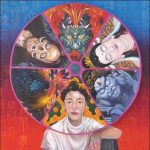
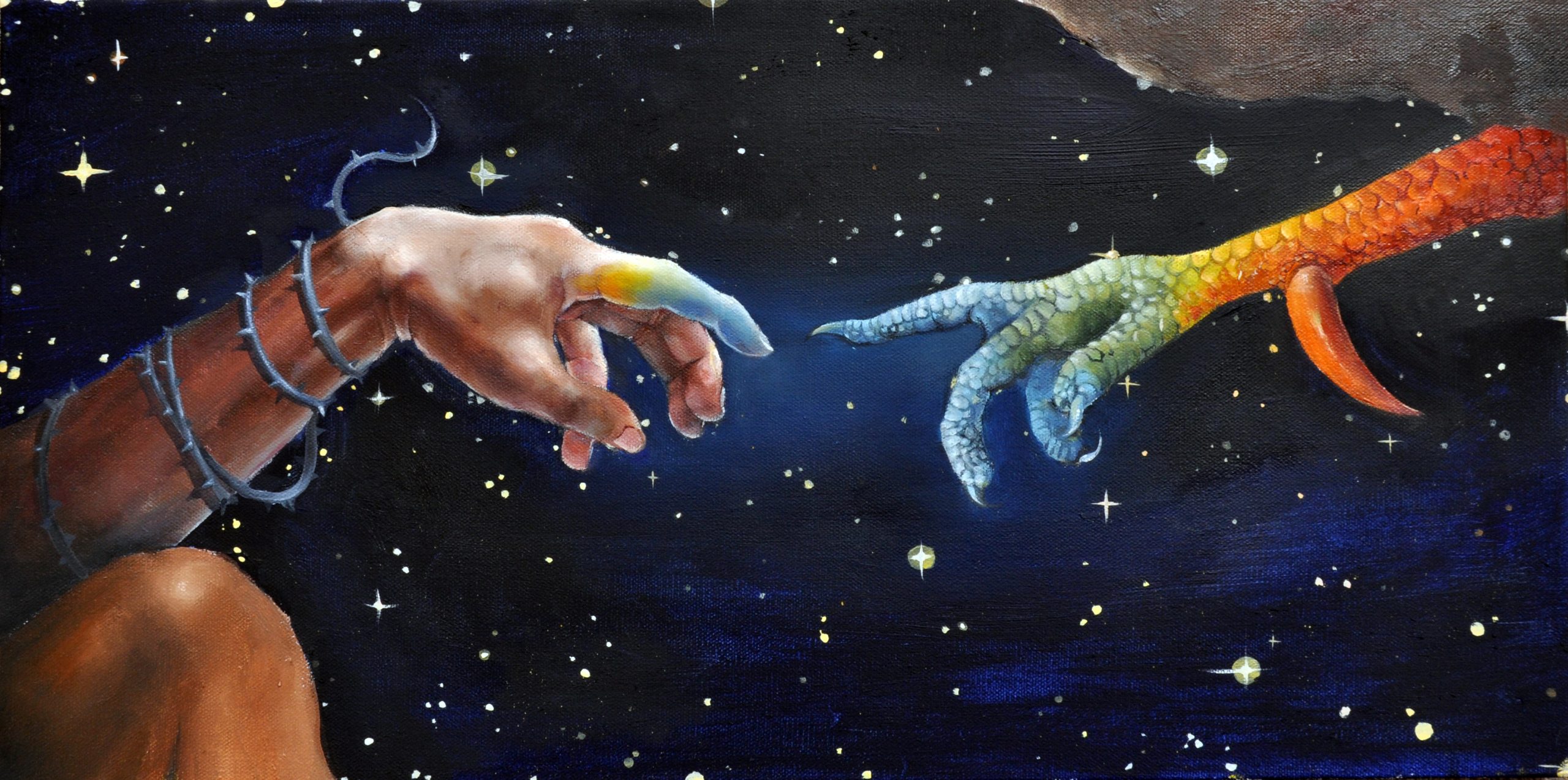
Meanwhile, Buddhism is also a recurring theme in my artwork. Attending the school of IGDVS at the City of Ten Thousand Buddhas for five years, I’ve been deeply influenced by Buddhist teachings such as mindfulness, practiced daily through meditation and integrated into my way of life. These values naturally connect with the healing I’ve experienced through raising chickens and making art. As a result, the themes of chickens and Buddhism often intertwine in my artworks.
To pursue my goal as an artist has not been easy. In 2020, right after I rediscovered my passion for art, I made a vow: “I am going to become an artist, not just an ordinary artist, but an artist who will use his work to influence the world, like Leonardo da Vinci.” To pursue this, I committed to learning at my best possible level and with the best resources. With my family’s support, every weekend for the last four years, I have traveled 6 hours round trip to the San Francisco Bay Area to study painting and drawing, and to build my portfolio for 10 hours each weekend day. Such commitment often limits my availability and rest on the weekends, but for me, it is necessary to learn what I need; and, it is through pursuing my passion this intensively that I realized: only if one truly likes something can he do it well.
Over time, my art has become a form of being, a way for me to connect with the moment and my inner self. Now, as a high school senior, I’ve begun sharing that way of seeing with others. In Ukiah, I’ve created and taught painting workshops for students of different ages. At the same time, I continue to develop my own practice and exhibit my work in galleries, bringing these ongoing studies into public space. As I look toward the next step, I’m grateful to have my work recognized by and in conversation with schools such as Berkeley, RISD, and SAIC. But more than any name or destination, what I carry with me is the lesson that brought me here in the first place: when I stay present, patient, and truly devoted to what I love, the path opens with clarity.